A FISP report identifies the problems. The next step is working out how to fix them on your building, within its access limits, budget and approval requirements. We plan facade restoration around the building's construction, inspection findings and neighborhood conditions.
Need help understanding your report first? Read our Local Law 11 compliance guide. If you already know which trade you need, explore our facade repair services.

Typical Findings by Brooklyn Building Type
Pre-war Masonry
Brick apartment buildings and co-ops built in the early and mid-1900s often show decades of weather exposure. Open mortar joints, cracked or spalled bricks, corroded lintels and deteriorated parapets are common concerns.
Addressing SWARMP findings before the next inspection cycle can help prevent deterioration from progressing. The right scope depends on the report, the condition of the materials and the extent of the damage.
Landmark Districts
Brooklyn's historic areas contain brownstones, rowhouses and older apartment buildings with distinctive masonry, cornices, stoops and decorative details.
FISP requirements generally apply to buildings over six stories, including eligible buildings within or beside historic districts. Repairs must account for existing materials and any applicable Landmarks Preservation Commission (LPC) requirements.
Waterfront Towers
Buildings near the waterfront face wind-driven rain, persistent moisture and salt exposure. Depending on the construction and inspection findings, repairs may involve balcony slabs and edges, failed sealants, window perimeters, waterproofing joints and exposed metal.
Working at height also affects access planning, sequencing and cost. The proposed method needs to suit the building's layout and the repairs being undertaken.
Industrial Lofts
Converted warehouses and former factories often combine substantial masonry walls, large window openings and older steel components. Deteriorated mortar, corroded lintels and moving or damaged parapets can require attention.
Some converted loft buildings fall within FISP requirements despite looking different from conventional residential towers. Confirm the building's applicable inspection status before planning the work.

Neighborhoods We Serve
Downtown Brooklyn
High-rise residential buildings sit alongside older masonry properties and converted commercial spaces. Heavy pedestrian traffic and limited sidewalk space can complicate access planning. Depending on the building, the scope may include joint waterproofing, brick repairs, parapets or deteriorated masonry features.
Williamsburg
Waterfront towers and converted industrial buildings create different repair demands within the same neighborhood. High-rise projects may involve balconies, exposed metal and failed seals, while older lofts can require lintel, mortar and parapet repairs.
Brooklyn Heights
Historic architecture makes material selection and approval planning particularly important. Brick, stone and cornice deterioration may require careful matching of existing finishes and early coordination where LPC review applies.
Park Slope
Brownstones and rowhouses stand alongside larger pre-war apartment buildings near the park and along major avenues. Potential work includes brick repointing, stone repairs, parapet restoration and fire escape maintenance, with landmark considerations where applicable.
Bay Ridge
Pre-war apartment buildings and co-ops often need masonry maintenance, lintel repairs and parapet work. For managed properties, clear scopes and phased scheduling can help boards plan costs and coordinate access with residents.
Flatbush
Elevator buildings and large co-op complexes can have extensive brick elevations. Mortar deterioration, corroded lintels, damaged parapets and fire escape issues may appear across several sections of the same property. For larger complexes, dividing the work into practical phases can make budgeting and scheduling easier.
Sunset Park
Older apartment buildings and industrial properties often feature large steel-framed openings and substantial masonry walls. Common repair concerns include corroded lintels, deteriorated mortar and parapets that need closer assessment.
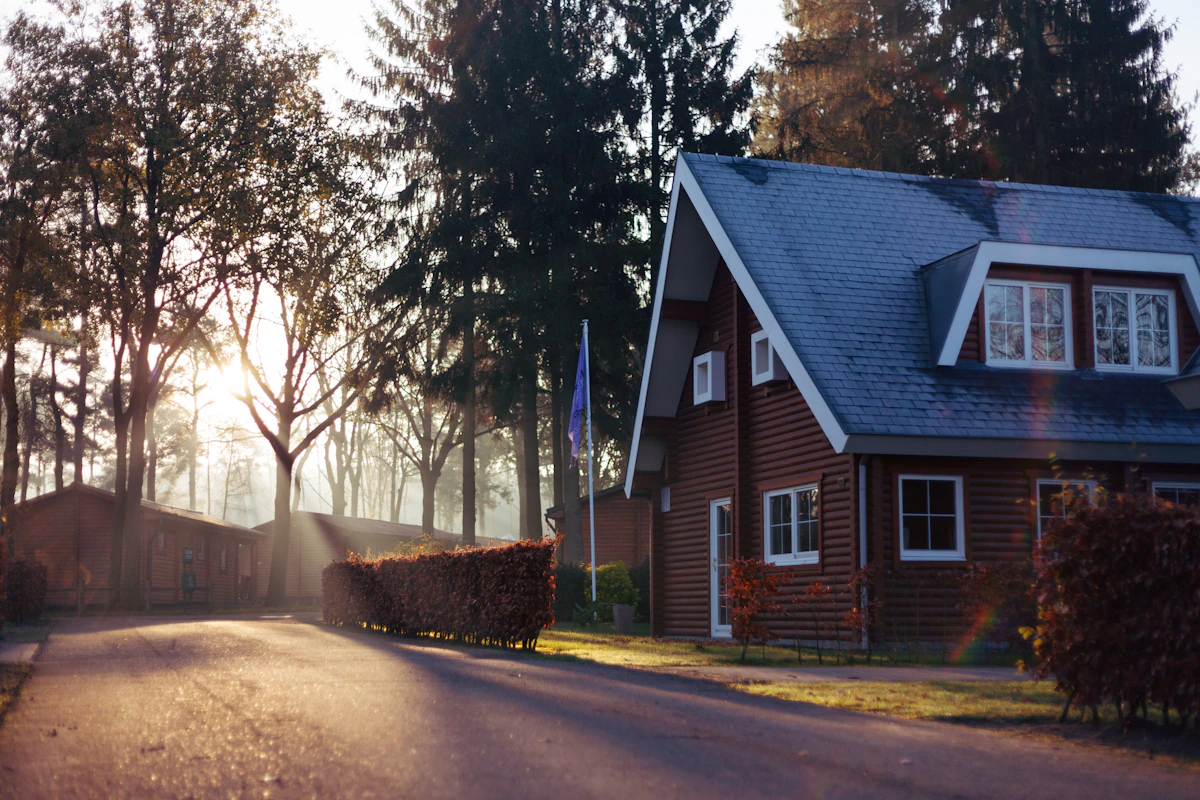
Landmark-Sensitive Repairs
Exterior work in a designated historic district may require review by the Landmarks Preservation Commission before construction begins. The requirements depend on the building's designation, the proposed work and whether the affected features are visible from a public thoroughfare.
These requirements can influence material choices, repair methods and scheduling. If your inspection report identifies SWARMP or Unsafe conditions, factor the applicable approval process into the repair plan rather than leaving it until construction is ready to start.
How We Handle It
- Check the building's status. We establish whether landmark designation or district requirements may affect the proposed scope before finalizing the plan.
- Match existing materials. Where appropriate, we specify compatible mortar, masonry and replacement materials that respect the original appearance and construction.
- Account for review time. The schedule should allow for any required approvals before the affected work begins.
- Keep project records. Photographs, repair records and material details can help document completed work and support coordination with your Qualified Exterior Wall Inspector (QEWI).
Our Process
- Review your report. We go through the QEWI's findings, identify the affected areas and discuss any questions about the proposed repairs.
- Prepare the scope and estimate. You receive a written estimate explaining the recommended work and distinguishing urgent items from work that can be scheduled separately, where appropriate.
- Coordinate approvals and access. We account for applicable permits, landmark review and the access equipment needed for the job. Requirements depend on the building and the work involved.
- Complete the repairs. Our team carries out the agreed scope and keeps the owner, board or managing agent informed about progress and relevant scheduling changes.
- Provide closeout documentation. We supply records of the completed work for your QEWI's review. The QEWI is responsible for determining and filing the applicable inspection report or amendment.
Frequently Asked Questions
How do I choose a Local Law 11 contractor in Brooklyn?
Check insurance, experience with comparable buildings, references for similar repair scopes and familiarity with FISP-related work. Ask for a written estimate that connects the proposed repairs to the findings in your report. Clarify who is responsible for permits, approvals, access arrangements and project documentation.
Which neighborhoods do you serve?
We work throughout the borough, including Downtown Brooklyn, Williamsburg, Brooklyn Heights, Park Slope, Bay Ridge, Flatbush and Sunset Park.
Do landmark districts change the repair process?
They can. Certain exterior alterations in historic districts require LPC approval, and material or design restrictions may apply. Confirm the requirements before scheduling affected work.
What facade problems are common in Brooklyn?
Findings vary by building type and exposure. Common issues include deteriorated mortar, damaged brick, corroded lintels, parapet deterioration, balcony damage and corrosion affecting exposed metal.
Do waterfront buildings need different repairs?
They may. Moisture and salt exposure can contribute to corrosion and deterioration, so the inspection findings may call for particular attention to exposed metal, joints, sealants and waterproofing.
Can you work with my board and managing agent?
Yes. We can provide a written scope, estimate and proposed schedule to support board review and coordination with the managing agent. Access, approvals and project timing are agreed based on the building's needs.
Own Or Manage a Brooklyn Building With a FISP Report?
Send us the report and tell us about the building. We'll review the findings, discuss the likely repair scope and provide a free estimate.